
Making Memory Care Feel Like Home
Moving a loved one into memory care is a significant transition for families. It can bring relief knowing that professional support is available, but it can also come with feelings of uncertainty, sadness, and concern. One of the most important ways to help a loved one adjust is to create an environment that feels familiar, comfortable, and personal.
Memory care is about more than providing assistance with daily needs. A supportive memory care community should help residents feel a sense of belonging while encouraging meaningful connections and activities.
The Comfort of Familiar Surroundings
Familiar surroundings can help make a new environment feel less overwhelming. When possible, families can bring personal belongings from home, such as photographs, favorite blankets, artwork, books, or other meaningful items.
A room decorated with familiar possessions can provide visual reminders of important people, places, and experiences. These items may also encourage conversations between residents, caregivers, and visiting family members.
Even small details can make a difference. A favorite chair, familiar bedding, or a treasured photograph can help transform a new living space into a more personal and welcoming environment.
Creating a Sense of Belonging
Social connection is another important part of a positive memory care experience. Residents benefit from opportunities to interact with others in ways that feel natural and enjoyable.
Group activities such as music, crafts, games, gardening, and social gatherings can encourage residents to spend time together. However, connection does not always have to happen in a large group.
A conversation over coffee, listening to music with another resident, or spending time with a caregiver can create meaningful moments of companionship.
Families can support this sense of belonging by visiting regularly and participating in activities when appropriate. Consistent visits can provide reassurance and help residents maintain important relationships.
Encouraging Familiar Activities
Activities that connect residents to their interests and past experiences can bring comfort and purpose to everyday life. Someone who enjoyed gardening may appreciate time caring for plants. A former teacher might enjoy reading with others, while someone who loved music may find joy in singing familiar songs.
These activities do not need to be complicated. The goal is to create opportunities for residents to participate in things they enjoy and recognize.
Caregivers can also learn about a resident’s background and preferences to identify activities that are personally meaningful. Understanding someone's hobbies, career, favorite foods, and family traditions can help create a more individualized experience.
Maintaining Independence
Feeling at home also means having opportunities to make choices. Memory care residents should be encouraged to participate in daily decisions whenever possible.
Simple choices can make a meaningful difference. Residents might choose what clothing to wear, which activity to attend, or whether they would like to spend time indoors or outdoors.
Providing appropriate choices supports independence and dignity while allowing caregivers to offer assistance when it is needed.
Family Involvement Matters
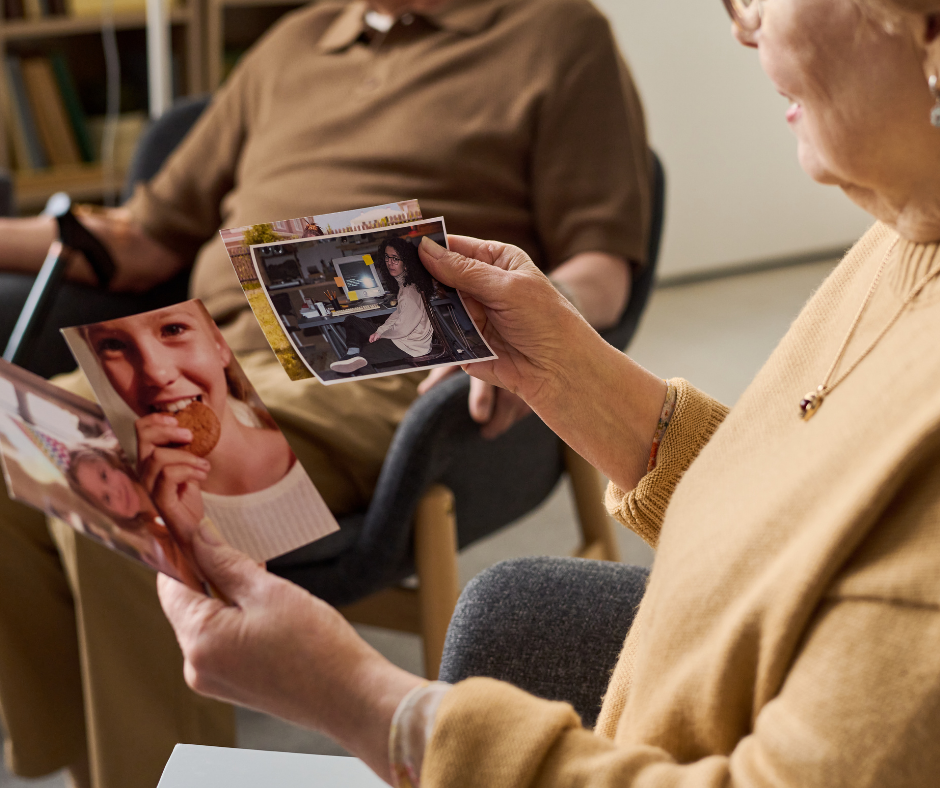
Families continue to play an important role after a loved one moves into memory care. Sharing stories, looking through family photographs, celebrating traditions, and maintaining familiar routines can help strengthen connections.
Families can also communicate with caregivers about changes in preferences, interests, or behaviors. This ongoing communication helps the care team better understand the resident and provide personalized support.
A Place Where Residents Feel Valued
The best memory care environments focus on the individual rather than simply the diagnosis. Creating a sense of home involves familiar surroundings, meaningful activities, personal choices, and strong relationships.
While a memory care community may be different from a resident’s previous home, it can still become a place filled with comfort, connection, and purpose. With thoughtful care and family involvement, residents can feel valued, respected, and supported as they navigate each day.