

Creating Comfort, Connection, and Meaningful Moments for Residents
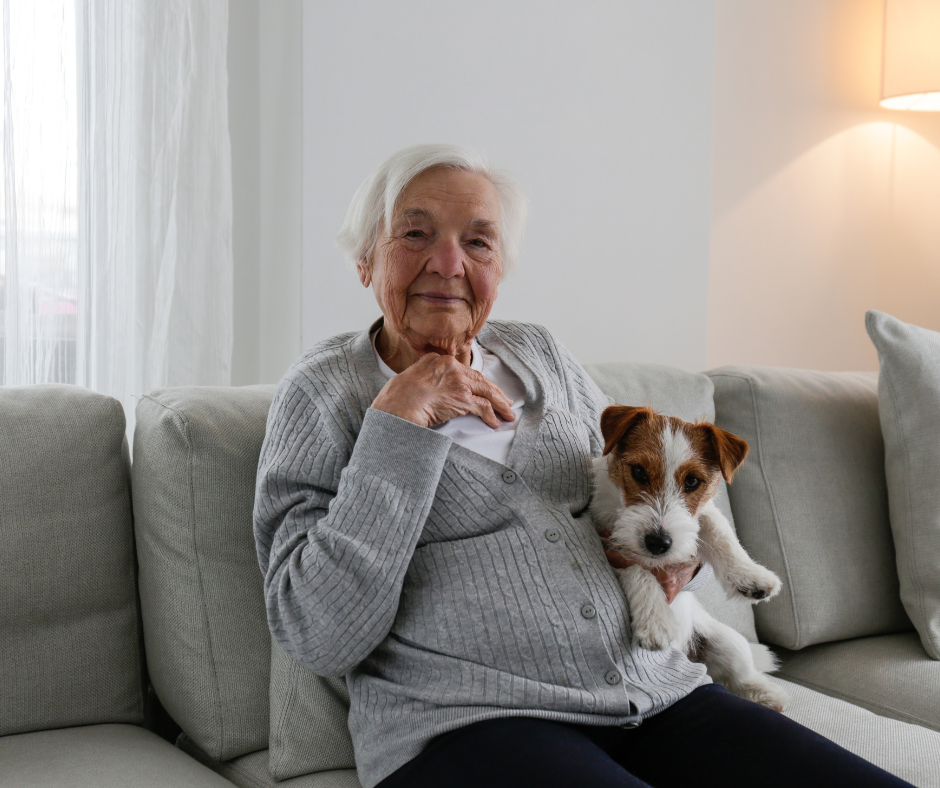
There is something special about the way animals can brighten a room. A wagging tail, a gentle purr, or a friendly nuzzle can bring an immediate smile to someone’s face. In assisted living communities, visits from therapy animals can provide more than a fun activity. They can create meaningful moments of connection, comfort, and joy for residents.
Companionship That Makes a Difference
Moving into an assisted living community can be a big transition. While residents have opportunities to make new friends and participate in activities, they may sometimes miss the companionship of a pet they had at home. Therapy animals can help bring back some of that familiar comfort.
Spending time with a friendly, trained animal can provide residents with a sense of companionship and may help ease feelings of loneliness. Even a few minutes of petting a dog or talking to an animal can become a comforting part of the day.
Encouraging Social Connections
Animals also have a wonderful way of bringing people together. A therapy dog visiting a common area can quickly become the center of conversation. Residents may share stories about pets they have loved throughout their lives, compare favorite breeds, or simply gather together to watch the animal play.
These interactions can encourage residents to socialize with one another and create opportunities for friendships to grow. Sometimes, an animal provides the perfect conversation starter.
Supporting Emotional Well Being
Animal visits can also contribute to a positive emotional environment. Interacting with animals may promote relaxation, lift a resident’s mood, and provide a welcome break from everyday routines.
For residents living with memory loss, animals can be particularly meaningful. A familiar experience, such as gently petting a dog, may bring back memories and encourage conversation about pets and family members from years past. These moments can be both enjoyable and meaningful for residents and their loved ones.
More Than Just a Visit
Therapy animals can encourage residents to stay engaged, too. Depending on a resident’s abilities and interests, they may enjoy activities such as petting, brushing, playing with, or walking alongside an animal. These simple interactions can provide opportunities for movement and engagement while making everyday activities more enjoyable.
Of course, successful animal assisted programs require careful planning. Therapy animals should be appropriately trained and handled, and communities must consider residents’ allergies, safety, preferences, and comfort.
Creating Moments of Joy
At the heart of assisted living is the goal of helping residents enjoy meaningful, fulfilling lives. Therapy animals can be one wonderful way to support that goal.
Whether it is a resident smiling at a playful puppy, sharing a story about a beloved pet, or simply enjoying the calming presence of a gentle animal, these small moments can make a big difference. In assisted living, sometimes a little four legged companionship is all it takes to bring people together and make an ordinary day feel a little more special.