

A Smarter Approach to Brain Health and Aging
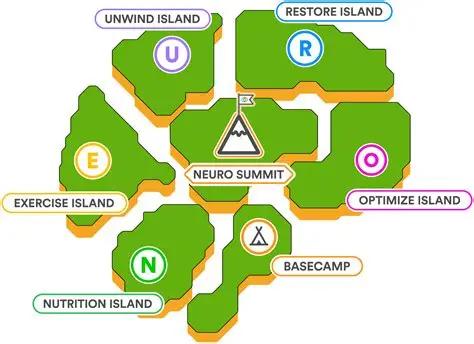
As conversations around brain health and aging continue to evolve, innovative frameworks are helping individuals better understand how to maintain cognitive function over time. One such approach is the NEURO Framework developed by Dr. Dean Shazari. This model offers a practical way to think about brain health, especially for older adults and those concerned with conditions like Alzheimer’s.
Rather than focusing on a single solution, the NEURO Framework emphasizes a combination of lifestyle factors that work together to support cognitive resilience. It is designed to be simple, actionable, and adaptable for everyday life.
N Is for Nutrition
Nutrition plays a critical role in brain health. Diets rich in leafy greens, healthy fats, and antioxidants have been linked to better cognitive performance. Within the NEURO Framework, the focus is on consistent, balanced eating habits that support long term brain function.
For seniors, proper nutrition can also help manage symptoms associated with Alzheimer’s and other forms of cognitive decline, making it an essential component of comprehensive Alzheimer's care. Hydration and regular meal patterns are just as important as the types of foods consumed.
E Is for Engagement
Mental and social engagement are essential for maintaining cognitive strength. Activities like reading, puzzles, conversation, and group participation stimulate the brain and help build cognitive reserve, which is a key focus in dedicated memory care programs.
For individuals at risk of Alzheimer’s, staying socially connected can reduce feelings of isolation and depression. Engagement keeps the mind active and reinforces neural pathways that support memory and learning, creating an enriching experience for seniors staying socially connected.
U Is for Understanding Stress
Chronic stress has a significant impact on the brain. Elevated stress levels can impair memory and increase the risk of cognitive decline over time. The NEURO Framework highlights the importance of recognizing and managing stress effectively.
Practices such as mindfulness, breathing exercises, and time in calming environments can help regulate stress. For seniors, especially those living with Alzheimer’s, reducing stress can lead to improved mood and behavior.
R Is for Rest and Recovery
Sleep is one of the most overlooked components of brain health. During sleep, the brain clears toxins and consolidates memories. Poor sleep has been strongly associated with cognitive decline and conditions like Alzheimer’s.
The NEURO Framework encourages consistent sleep routines and environments that promote restful sleep. For older adults, even small improvements in sleep quality can have meaningful cognitive benefits.
O Is for Ongoing Activity
Physical movement supports both body and brain. Regular exercise improves blood flow to the brain, enhances mood, and may help slow cognitive decline. Activities do not need to be intense to be effective. Walking around the neighborhood, stretching, and light strength training can all contribute to better brain health.
For those living with Alzheimer’s, movement can also reduce agitation and improve overall well being.
A Holistic Path Forward
The NEURO Framework offers a well rounded approach to brain health that is especially relevant in senior living settings. Whether implemented at home or within an assisted living community, combining nutrition, engagement, stress management, rest, and physical activity allows individuals to take proactive steps to support cognitive function.
As awareness of Alzheimer’s continues to grow, frameworks like this provide valuable guidance for families, caregivers, and seniors alike. They remind us that while aging is inevitable, there are meaningful ways to support brain health and maintain quality of life.